
The Lilium guide

When to visit Rome: the best time

Weather, crowds and prices month by month — seen from our neighbourhood

Rome is beautiful in every season, but you don't experience it the same way in every season. Between the July heat and the November rain, between the Easter queues and the January silence, choosing when to come changes everything. Here's our honest advice — with an edge few will tell you about: staying at Porta Pia means skipping much of the crowd.

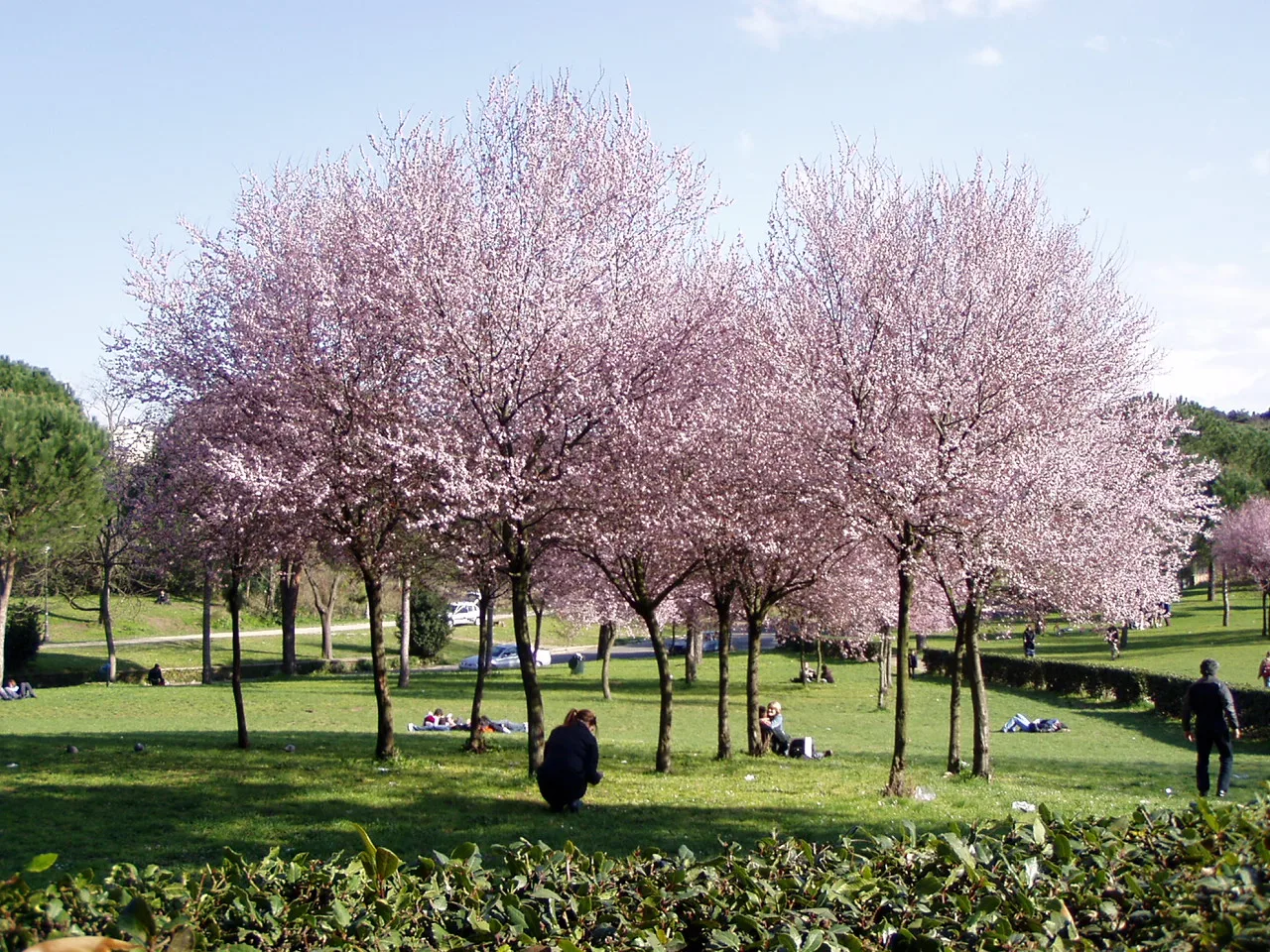
Porta Pia in spring, a few steps from Lilium Boutique Hotel in Rome

March · April · May

Spring, the golden season

For many, spring is the very best time of all. Average highs climb from around 16 °C in March to 19–20 °C in April, up to 23 °C in May: ideal weather for walking all day long. The days lengthen, the gardens bloom and the Roman light is the softest of the year. The flip side is demand: April and May are among the busiest and most expensive months, and Easter — a moveable date between late March and April — brings a wave of pilgrims and visitors to Rome, with Holy Week and Vatican celebrations at capacity.

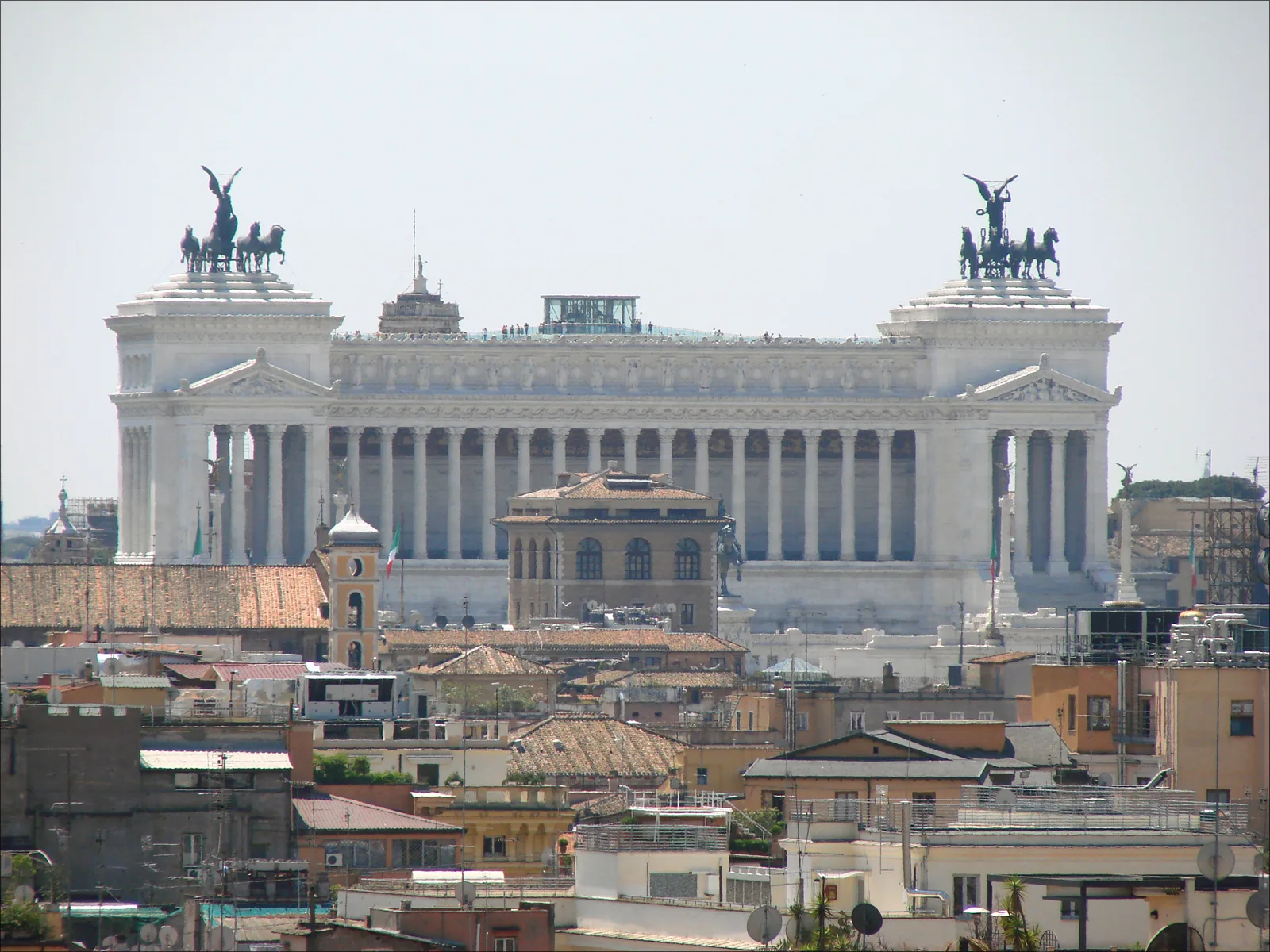
On 21 April falls the Birth of Rome, the anniversary of the city's founding: in the days around the date the Circus Maximus and the centre host costumed historical re-enactments by the Gruppo Storico Romano, and many civic museums open for free. From our neighbourhood you can reach it on foot or with a few minutes' transport, and then return to a quiet area, away from the throng.
June · July · August

Summer, hot and generous with light

The Roman summer is hot and dry. June is still pleasant (highs around 28 °C), but July and August bring average highs around 30 °C, with peaks well above and very little rain — July is on average the driest month of the year. The central hours, from 12 to 4 pm, are demanding: it's best to visit the monuments early in the morning, rest in the afternoon and head out again at sunset, when the city becomes magnificent.

Around Ferragosto (15 August) many Romans leave the city and several neighbourhood businesses close for the holidays; the great monuments and museums, however, stay open, and summer is also the season of open-air festivals, cinema under the stars and events along the Tiber. If you choose summer, our guide to what to see near Porta Pia will come in handy for the cool mornings.

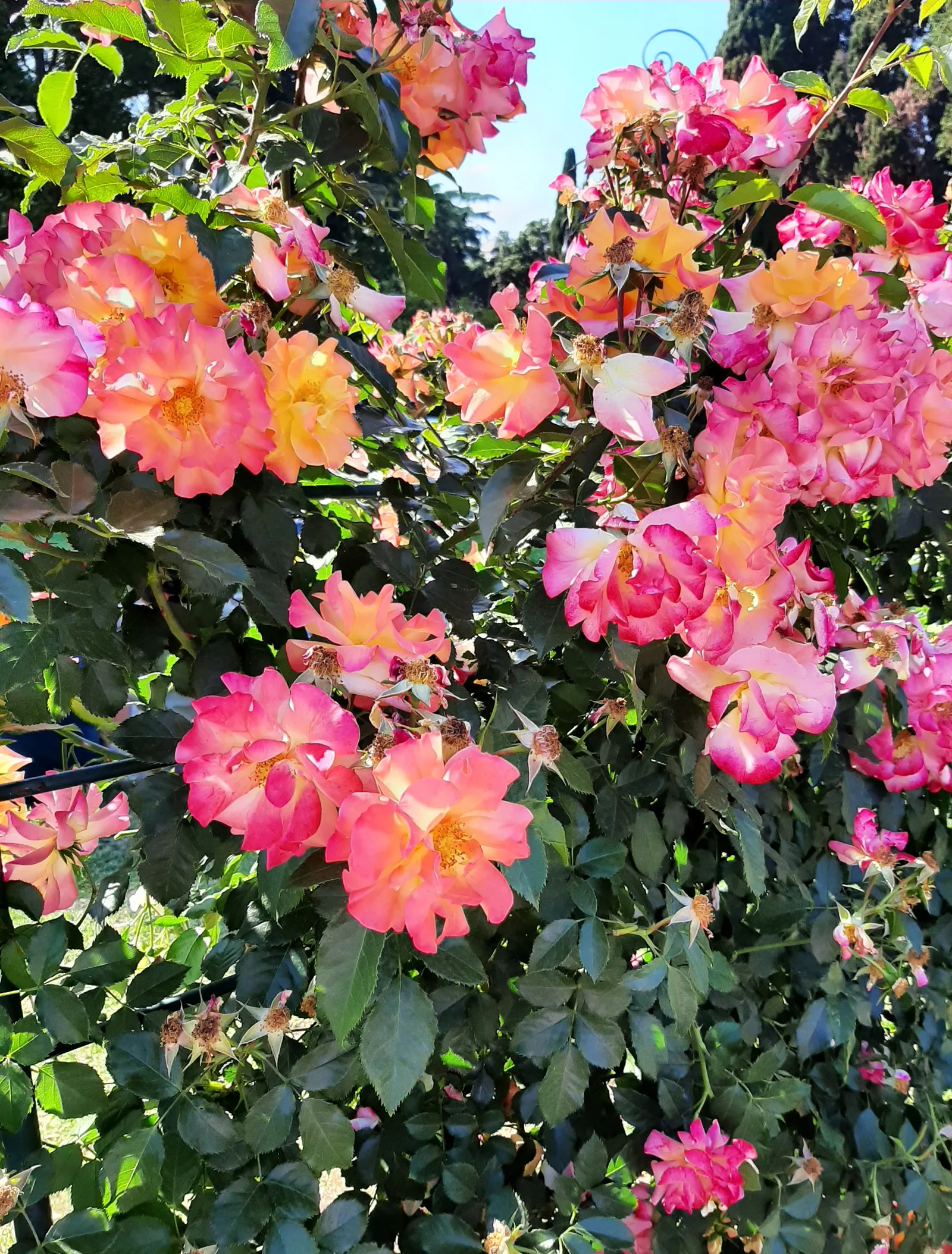
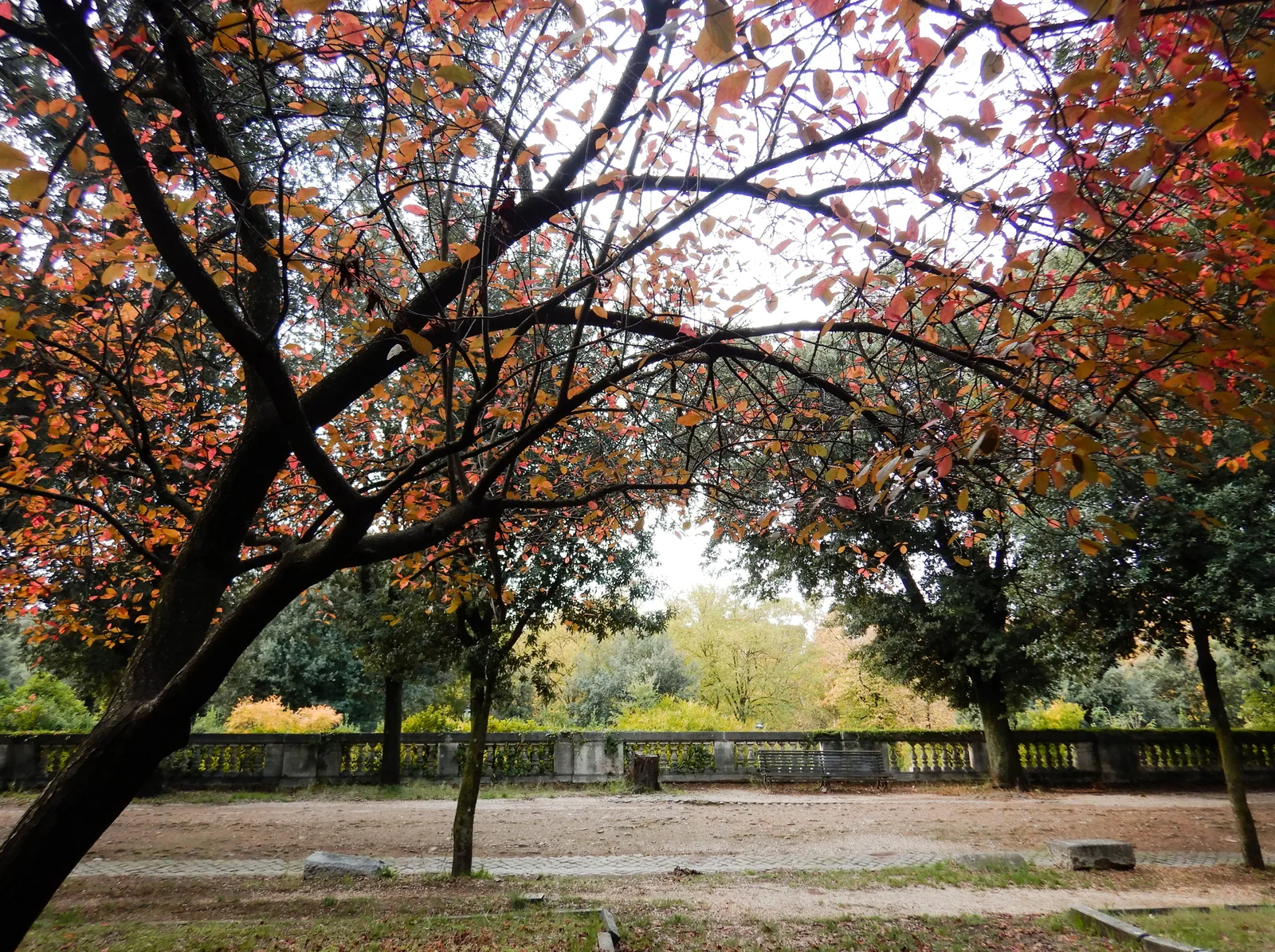
Inner courtyard of Lilium Boutique Hotel, a quiet retreat at Porta Pia in autumn

September · October · November

Autumn, the return of mild weather

September keeps the warmth of summer (highs around 27 °C) but with crowds in decline, and October — average highs around 22 °C — is the other great moment of the year, on a par with spring: gentle climate, amber light, days still long. It is a sought-after period, so book in good time.

November changes register: temperatures drop towards highs of 16 °C and it is statistically the wettest month of the year in Rome. In return, the crowds thin out and prices fall. With an umbrella and a good pair of shoes, November gives you a quiet, photogenic Rome — and the Porta Pia quarter, residential and shaded, is perfect for strolls between one shower and the next, with your return just steps from your starting point.

December · January · February

Winter, mild and queue-free

The climate

Mild, never freezing

Average highs stay between 11 and 14 °C from December to February, with lows that rarely drop below 3–4 °C. It is the rainiest season along with autumn, but it's rarely truly cold: you need a coat and an umbrella, not much more.

The crowds

Genuine low season

January and February are the quietest and most affordable months of the year: empty monuments, minimal queues, lower hotel rates. The exception is the holidays — Christmas, New Year and Epiphany — when the city fills up again for a few weeks.

The atmosphere

Rome for those in the know

December, outside the holidays, is surprisingly calm. The lights, the nativity scenes and the markets fill the squares, while in the museums you have room to enjoy the works. It is the Rome that seasoned travellers prefer: less postcard, more truth.

At a glance

Rome month by month

Indicative average highs. Crowds and prices are seasonal estimates; moveable-date events should be verified for the current year.
Month Weather (average high) Crowds & prices Event / note
JanuaryMild, damp · ~12 °CLow · lowest ratesEpiphany (6 January); winter sales
FebruaryMild, variable · ~13 °CLow · low ratesValentine's Day; quietest month with January
MarchCool-mild · ~16 °CMedium · risingEarly spring; Easter possible late in the month
AprilIdeal · ~19–20 °CHigh · high ratesEaster (moveable); Birth of Rome (21 April)
MayPleasantly warm · ~23 °CHigh · high ratesClimate at its best; gardens in bloom
JuneHot · ~28 °CHigh · high ratesRepublic Day (2 June); summer festivals
JulyHot, dry · ~30 °CHigh · intense heatDriest month; open-air and riverside events
AugustHot, dry · ~30 °CHigh · city half-emptied of RomansFerragosto (15 August); many neighbourhood businesses closed
SeptemberPleasantly warm · ~27 °CHigh · crowds easingExcellent climate/crowd compromise
OctoberMild, ideal · ~22 °CHigh · high ratesBest time along with April–May
NovemberCool, rainy · ~16 °CLow · rates fallingWettest month of the year; thin crowds
DecemberMild, damp · ~12 °CLow/High · peak at ChristmasLights and markets; busy at Christmas and New Year

Our honest advice

The best time: April–May and October

If you're simply wondering when to come, the answer is clear: April–May in spring and October in autumn. These are the two windows in which Rome offers the best climate — highs between 19 and 23 °C, long days, still-warm evenings — without the scorching July heat or the November rain. The crowds are there, but they stay manageable, and the light is the light of postcards.

The price to pay is twofold: hotel rates at their peak and the need to book well in advance. If your wallet and peace and quiet matter more, flip the reasoning and choose the low season — January, February, early December — accepting a few rainy days in exchange for a city almost all to yourselves.

The neighbourhood advantage

Off-season (and in high season) at Porta Pia

There's a factor the big portals don't consider: not all of Rome is equally crowded. The Porta Pia quarter, where the Lilium sits on Via Venti Settembre, is a residential and institutional area — not a mass-tourism hub like the Trevi Fountain area or Piazza Navona. Even in the peak months, its attractions stay far quieter while being just a few minutes' walk from the historic centre.

It means you can choose your period for the climate, not to escape the throng: from here, the crowds are manageable regardless. The Basilica of Santa Maria della Vittoria with Bernini's Ecstasy of Saint Teresa, the Baths of Diocletian, Villa Torlonia with its Art Nouveau Casina delle Civette: all reachable on foot, almost always without queues. In spring you stroll among the gardens, in summer you make the most of the cool mornings, in autumn the amber light, in winter the museum halls all to yourselves.

If you want to grasp what's truly within walking reach, our guide to the neighbourhood is the ideal starting point.

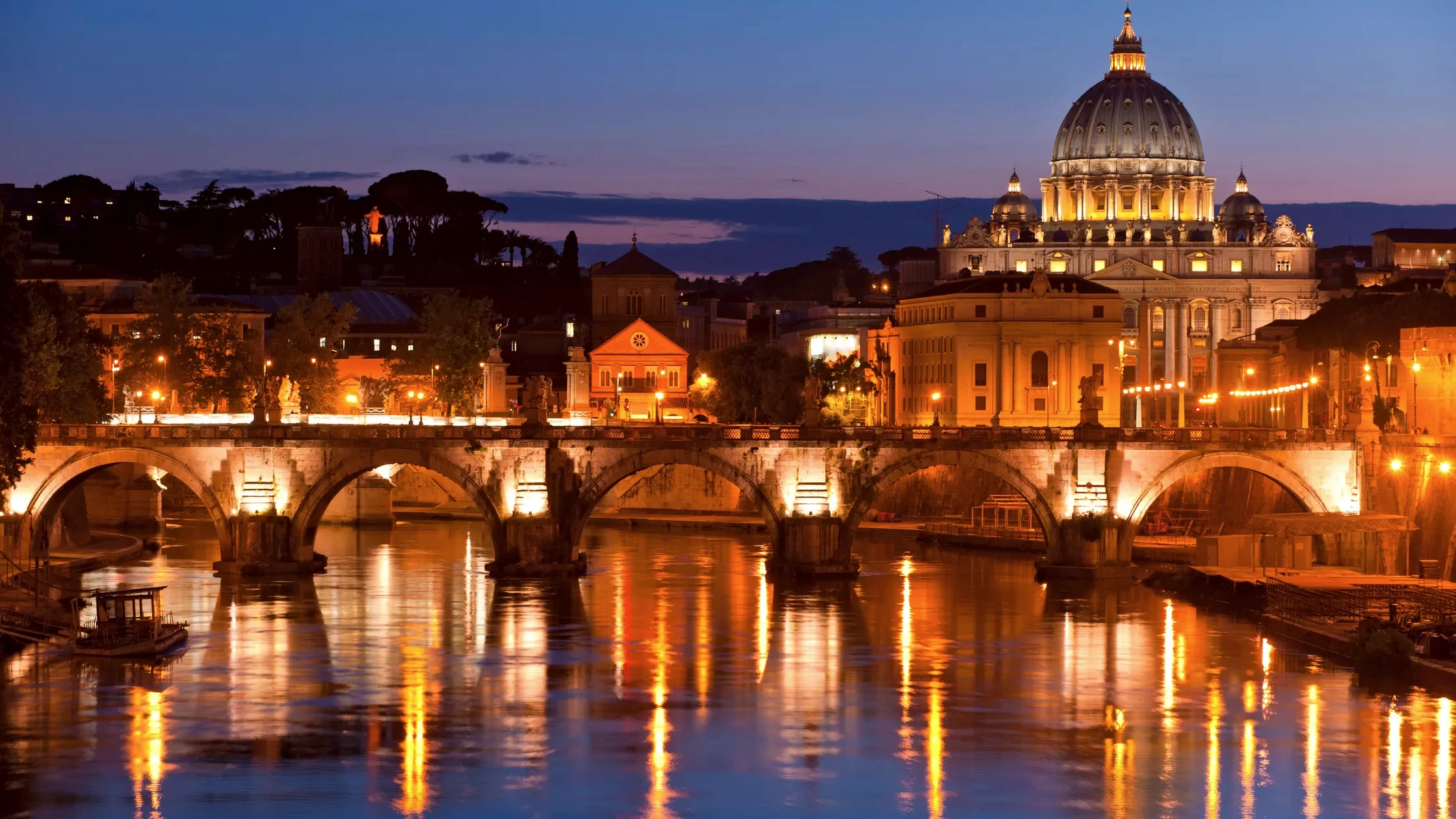
Porta Pia, Michelangelo's last work, the quiet neighbourhood of Lilium Boutique Hotel in Rome

Frequently asked questions

Questions about when to visit Rome

Which is the best month to visit Rome?

The best months are April, May and October. In these periods the temperatures are mild (average highs around 19–23 °C in spring and 22 °C in October), the days are long and the crowds are more manageable than at the summer peak. They are very popular months, so it pays to book early. If you're after the lowest prices and no queues, January, February and November are the low-season weeks.

What is the weather like in Rome in summer?

In summer Rome is hot and dry. July and August are the hottest months, with average highs around 30 °C and higher peaks, and very little rain (July is the driest month of the year). The central hours, from 12 to 4 pm, are the most demanding: it's best to visit the monuments early in the morning or at sunset and keep the hot hours free.

When is low season in Rome?

Low season coincides with January, February and November: more affordable prices, less crowded monuments and a mild but rainier climate (November is on average the wettest month of the year). The exceptions are the windows of Christmas, New Year and Epiphany, when the city fills up again. December too, outside the holidays, stays relatively quiet.

What is the weather like in Rome in winter?

The Roman winter is mild but damp: average highs hover around 11–14 °C between December and February, with lows that rarely drop below 3–4 °C. It is the rainiest season along with autumn. You'll need a coat and an umbrella, but it's rarely truly cold: on a sunny day, Rome in winter is perfect for walking without the crowds.

Is it worth coming to Rome at Ferragosto?

Ferragosto (15 August) is the heart of the Roman summer: intense heat and many resident-run businesses closed for the holidays. On the other hand the city empties of Romans and traffic eases, while the great monuments and museums stay open. It's a worthwhile choice only if you tolerate the heat and organise your visits early in the morning. For those who want the best of the climate, April–May or October remain preferable.

Is Porta Pia less crowded than the centre of Rome?

Yes. The Porta Pia quarter, where Lilium Boutique Hotel sits on Via Venti Settembre, is a residential and institutional area, not a mass-tourism hub like the Trevi Fountain area or Piazza Navona. Even in high season its attractions — Santa Maria della Vittoria, the Baths of Diocletian, Villa Torlonia — stay far quieter, while being just a few minutes' walk from the historic centre.

Choose your moment

Rome at the right time

Whatever season you choose, Lilium Boutique Hotel is your starting point at Porta Pia — all on foot, away from the crowds of the centre.

Direct booking Save up to 10%